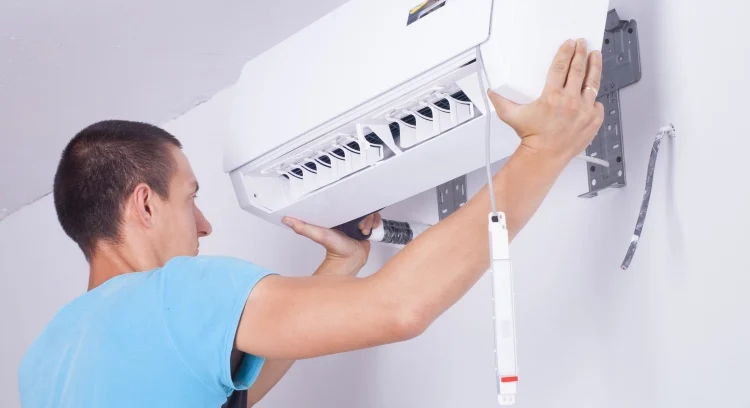
Most people think air conditioning installation is pretty straightforward. You buy a unit, someone comes and puts it in, and you’re done. But here’s the thing – what separates a system that works brilliantly for decades from one that breaks down within a few years often comes down to the steps that happen behind the scenes.
The stuff nobody talks about. The details that don’t make it into brochures or sales pitches.
After talking to installers who’ve been doing this work for years, it turns out there’s a whole world of critical steps that most homeowners never see or hear about. These hidden elements can make the difference between loving your air conditioning and constantly fighting with it.
The Pre-Installation Assessment Nobody Mentions
Before any decent installer even thinks about mounting units or connecting pipes, they spend time doing something most people don’t expect – they become detectives.
A proper assessment goes way beyond measuring rooms. Good installers check things like which direction your house faces, where the sun hits hardest during different times of day, and how your home’s layout affects air circulation. They’re looking at your insulation, checking for air leaks around windows and doors, and figuring out how much cooling power you actually need.
Here’s where it gets interesting – most installers will do a manual heat load calculation. This isn’t the quick online calculator that some companies use. It’s a detailed analysis that considers everything from your ceiling height to how many people typically occupy each room. They factor in heat-generating appliances, window sizes, even the type of lighting you use.
The problem is, this step takes time. And time costs money. So some installers skip it or do a rushed version. But when you skip this step, you end up with an oversized system that cycles on and off constantly (wasting energy and wearing out faster) or an undersized system that never quite gets your house comfortable.
The Positioning Game Most People Never Consider
Where your indoor and outdoor units go might seem obvious, but there’s actually some serious strategy involved here.
For outdoor units, installers need to think about air circulation, noise levels, and accessibility for maintenance. But they’re also considering things like prevailing wind patterns, how much direct sunlight the unit will get, and whether there’s adequate clearance for the unit to breathe properly. A unit that’s crammed into a tight space or positioned where it gets hammered by afternoon sun is going to work harder and break down sooner.
Indoor unit placement is just as critical. The best installers think about how air will move through your space, where furniture typically goes, and how to avoid creating dead zones or drafts. They’re looking at ceiling joists, electrical access, and making sure the condensate drain will work properly without creating problems down the road.
What most people don’t realize is that moving a unit even a few feet from the “obvious” location can dramatically improve performance and reduce noise levels. Air Conditioning Installation Canberra specialists often spend considerable time on positioning because they know it affects everything that comes after.
The Electrical Work That Actually Matters
This is probably the most overlooked part of the whole process. People assume that if there’s power to the area, you’re good to go. Not quite.
Air conditioning systems need dedicated electrical circuits, and the size of those circuits depends on the specific unit being installed. Installers need to verify that your home’s electrical panel can handle the additional load, that the wiring is appropriate for the amperage requirements, and that all connections meet current electrical codes.
But here’s what’s really important – they should also be installing proper surge protection. Air conditioning systems are expensive, and power surges (from storms or grid fluctuations) can fry the control boards and compressors. A good installer will recommend and install surge protection devices that can save you thousands in repairs later.
They’re also checking voltage levels and making sure your home’s electrical supply is stable enough for the system to operate efficiently. Low voltage can cause motors to work harder and wear out faster.
The Refrigerant Connection Process You Never See
This is where things get technical, but it’s absolutely critical. The refrigerant lines connecting your indoor and outdoor units need to be installed with precision.
First, installers need to select the right size lines for your specific system and run them in a way that minimizes restrictions and heat gain. The lines need to be properly insulated and supported, and any joints or connections have to be perfect – even tiny leaks can cause major problems.
But here’s the part that separates pros from amateurs – the evacuation and charging process. Before adding refrigerant, installers need to completely evacuate the lines of air and moisture using a vacuum pump. Any moisture left in the system can freeze and damage components, or react with the refrigerant to create acids that corrode the system from the inside.
The charging process itself requires precision. Too much refrigerant and the system won’t cool efficiently. Too little and it won’t cool adequately, and the compressor might overheat. Good installers don’t just add the amount specified on the unit’s nameplate – they adjust based on the actual line lengths and verify proper operation using temperature and pressure measurements.
The Testing Phase That Reveals Everything
Once everything is connected and the system is running, the real work begins. This is where experienced installers earn their money.
They’re not just checking that cold air comes out. They’re measuring air temperatures at different points in the system, checking refrigerant pressures, verifying that electrical components are drawing the right amount of power, and making sure all safety systems are working correctly.
Good installers will run the system through different modes – cooling, heating (if it’s a reverse cycle system), fan-only operation – and verify performance in each mode. They’re checking that the condensate drain is working properly and not going to cause water damage later.
They should also be testing the system’s response to thermostat commands, making sure it starts and stops cleanly without any unusual noises or vibrations.
The Documentation and Handover Process
This might sound boring, but it’s incredibly important. Professional installers document everything – what type of refrigerant was used, what pressures the system was charged to, any modifications that were made to electrical systems, and when filters should be changed.
They should walk you through basic operation and maintenance, explain what warranty coverage you have, and give you contact information for service if needed. They should also explain what you can do yourself (like changing filters) and what you should leave to professionals.
Most importantly, they should explain how to spot early warning signs of problems – unusual noises, ice formation, reduced cooling, or higher than normal energy bills.
The Cleanup and Final Details
Professional installers don’t just pack up and leave when the system is running. They clean up all debris, properly dispose of old equipment (if it’s a replacement), and make sure your home is left in better condition than they found it.
They should also do a final walk-around to make sure nothing was damaged during installation, that all access panels are secured, and that you know where important components like shut-off switches and circuit breakers are located.
Why These Hidden Steps Actually Matter
Here’s the bottom line – air conditioning systems are complex machines that need to be installed with precision if you want them to work efficiently and last a long time. The hidden steps we’ve talked about are what separate installations that work great for decades from those that cause problems within a few years.
When installers skip these steps or rush through them, you end up with systems that don’t cool properly, use more energy than they should, break down frequently, and need to be replaced sooner than necessary. The money you might save on a cheaper installation often gets eaten up pretty quickly by higher energy bills and repair costs.
The best installations are the ones where you never have to think about your air conditioning – it just works, quietly and efficiently, keeping your home comfortable year after year. And that reliability comes from all those hidden steps that most people never see but absolutely make the difference.