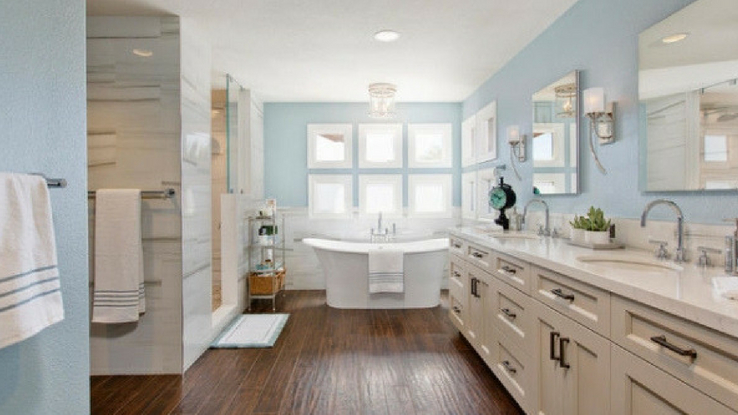
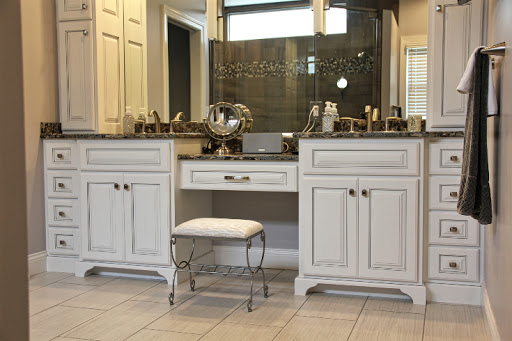
The evolution of a home often begins in the spaces where utility and personal comfort intersect. For many homeowners, the prospect of a bathroom remodeling project is not merely an aesthetic choice but a practical response to changing needs or the desire for better functionality. Viewing this type of home improvement as a multi-stage process, rather than a single event, helps in planning for the nuances of construction, design, and long-term utility.
Initial Considerations and Conceptual Planning
The earliest phase of a bathroom update typically centers on evaluating how the current layout serves your daily routine. Before selecting fixtures or tiles, it is helpful to observe how the space is used throughout the week. Is the storage sufficient for current demands? Does the existing lighting support your needs during the early hours of the morning? Are there elements of the plumbing or ventilation that consistently underperform?
Many homeowners begin their journey by gathering design inspiration, but the most effective planning involves assessing the structural reality of the room. It is common to find that the underlying infrastructure—such as the condition of the subfloor or the capacity of the pipes—dictates which design changes are feasible. When consulting with professionals about a bathroom remodel, discussing these functional limitations early on can help manage expectations and provide clarity on the scope of the necessary work.
Navigating the Progression of the Project
Once the planning phase transitions into the execution stage, the environment of the home changes. It is useful to anticipate the progression of the work, which typically follows a logical sequence. The project usually starts with the demolition of existing surfaces and the removal of outdated fixtures, followed by the careful inspection of the space beneath those materials.
As the work proceeds, the focus shifts to the foundational systems, such as water supply lines, drainage, and electrical connections. This is the period when the room is least functional, and it is a common time for homeowners to feel the temporary disruption of home life. Understanding that this disruption is a temporary, albeit necessary, stage of the process can make the experience more manageable. Ensuring that communication with the team performing the work remains consistent during these middle stages is a key part of maintaining progress and ensuring that the project adheres to the established vision.
Identifying Signs of Progress and Adjustments
As new materials are installed, the shift from a workspace to a functional living area becomes apparent. Signs of positive progress often include the installation of moisture-resistant materials, the successful testing of new plumbing fixtures, and the completion of electrical updates that meet current safety considerations.
Occasionally, challenges emerge during the installation that require a shift in strategy. For example, a hidden leak discovered behind a wall or a structural detail that was previously obscured may necessitate a brief pause. Professional teams that specialize in a home depot bathroom remodel are accustomed to these findings and often have protocols for addressing such developments efficiently. It is standard practice to maintain flexibility during these moments, as addressing these details thoroughly during the construction phase prevents more significant concerns from appearing later.
Sustaining the Results Over the Long Term
The final stage of the project involves the transition back to daily life and the establishment of a maintenance routine that protects the investment. A high-quality update should feel seamless and intuitive, but the longevity of the materials depends on how they are cared for. Understanding the specific maintenance needs of the materials chosen—such as how to clean certain types of natural stone or how to maintain the finish on specialized hardware—helps preserve the appearance and functionality of the space.
Furthermore, long-term utility is supported by small, proactive habits. Ensuring that ventilation is consistently used during and after bathing is a universal recommendation for preventing moisture buildup, which is a common source of damage in any bathroom. Regular checks of the seals around showers, tubs, and sinks can identify potential leaks before they cause damage to the surrounding structure.
The value of a well-executed project is measured by how effectively the space continues to serve the household as time passes. When the design choices are rooted in an understanding of the room’s purpose and the installation is conducted with attention to the underlying mechanics, the resulting space often provides comfort and convenience for years to come. Reflecting on the completed work, it becomes clear that the success of a bathroom remodeling endeavor is defined not just by the final visual outcome, but by the thoughtful approach taken to address both the aesthetic desires and the practical requirements of the home. Approaching the project as a phased journey allows for a more controlled, rewarding experience that aligns with the long-term goals of the homeowner.