

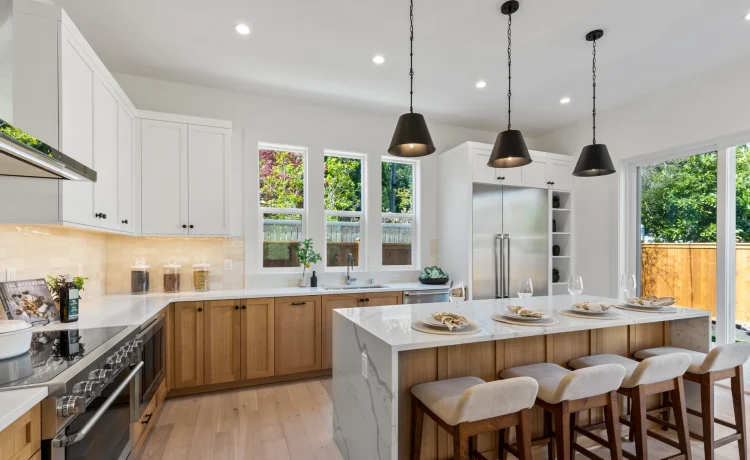
The kitchen is more than just a place to cook. It is where routines begin, conversations unfold, and creativity comes alive through food. A well-designed kitchen balances functionality, hygiene, comfort, and aesthetics, making everyday tasks easier while enhancing the overall living experience.
The Purpose of a Kitchen in Daily Life
A kitchen serves multiple roles beyond meal preparation. It supports daily nutrition, family interaction, and efficient household management.
Key purposes include:
-
Preparing and cooking food safely
-
Storing groceries and utensils efficiently
-
Supporting healthy eating habits
-
Acting as a social and family gathering space
Modern kitchens are designed to adapt to fast-paced lifestyles while maintaining comfort and usability.
Essential Components of a Well-Designed Kitchen
Every effective kitchen is built around a few core elements that work together seamlessly.
Cooking Zone
This area includes the stove, oven, microwave, and ventilation system. Proper spacing and ventilation help improve safety and cooking efficiency.
Storage Zone
Cabinets, drawers, and pantry units store ingredients, cookware, and appliances. Smart storage reduces clutter and saves time.
Cleaning Zone
The sink, dishwasher, and waste disposal system belong here. Easy access to water and cleaning supplies ensures better hygiene.
Preparation Zone
Countertops provide space for chopping, mixing, and plating. Durable materials improve longevity and ease of maintenance.
Popular Kitchen Layouts
The layout directly impacts workflow and comfort. Choosing the right one depends on available space and household needs.
Common kitchen layouts include:
-
L-shaped kitchen – Ideal for small to medium spaces
-
U-shaped kitchen – Maximizes storage and counter space
-
Galley kitchen – Efficient for narrow areas
-
Island kitchen – Adds workspace and encourages interaction
-
Open kitchen – Blends cooking and living areas seamlessly
Each layout supports a different style of movement and functionality.
Materials That Matter in a Kitchen
Choosing the right materials improves durability and visual appeal.
Common material choices:
-
Countertops: Granite, quartz, marble, or solid surface
-
Cabinetry: Wood, plywood, MDF, or laminate
-
Flooring: Ceramic tiles, vinyl, hardwood, or stone
-
Backsplash: Glass, subway tiles, or natural stone
High-quality materials reduce maintenance and extend the kitchen’s lifespan.
Kitchen Organization and Storage Tips
An organized kitchen improves efficiency and reduces stress.
Practical organization tips:
-
Use drawer dividers for utensils
-
Install pull-out shelves for deep cabinets
-
Store frequently used items within arm’s reach
-
Label pantry containers for quick identification
-
Utilize vertical space with wall-mounted racks
Small adjustments can significantly improve daily workflow.
Hygiene and Safety in the Kitchen
Cleanliness and safety are essential for food preparation.
Best practices include:
-
Regularly cleaning countertops and sinks
-
Separating raw and cooked foods
-
Using proper ventilation to reduce smoke and odors
-
Keeping sharp tools stored safely
-
Ensuring electrical appliances are properly maintained
A hygienic kitchen supports better health and reduces accidents.
The Evolving Role of the Modern Kitchen
Today’s kitchens reflect lifestyle changes. Smart appliances, energy-efficient lighting, and ergonomic designs are becoming standard. Kitchens now blend technology, sustainability, and comfort, making them adaptable to modern living.
Frequently Asked Questions (FAQs)
1. What is the most important factor in kitchen design?
Functionality is the most important factor, followed closely by layout and storage efficiency.
2. How can I make a small kitchen feel larger?
Using light colors, reflective surfaces, and smart storage solutions can make a small kitchen feel more spacious.
3. Which countertop material is easiest to maintain?
Quartz is one of the easiest materials to maintain due to its non-porous and stain-resistant nature.
4. How often should a kitchen be deep cleaned?
A deep clean is recommended every 3–6 months, depending on usage.
5. Is an open kitchen suitable for all homes?
Open kitchens work best for homes with good ventilation and those that prefer a connected living space.
6. What lighting works best in a kitchen?
A combination of ambient, task, and under-cabinet lighting provides optimal visibility and comfort.
7. How can I improve kitchen safety at home?
Proper storage, regular maintenance of appliances, and good ventilation significantly improve kitchen safety.
