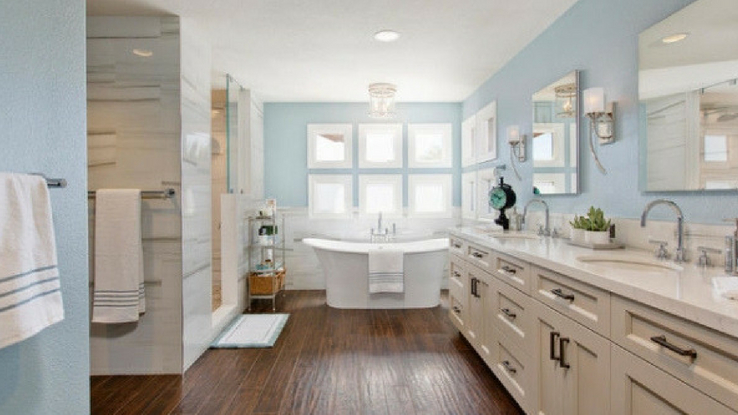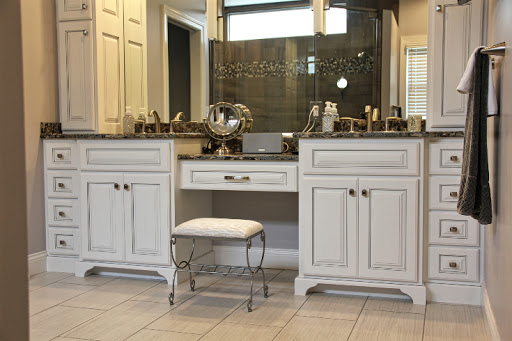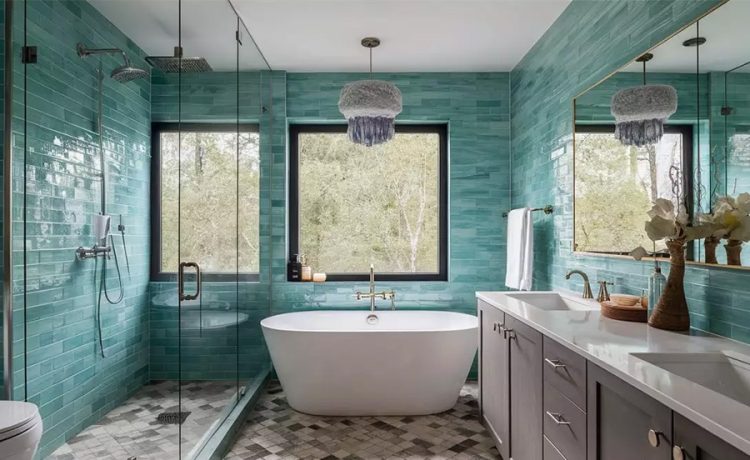
A bathroom is more than a functional space—it plays a vital role in daily comfort, hygiene, and relaxation. Whether compact or luxurious, a well-designed bathroom balances practicality, aesthetics, and durability. Modern bathrooms reflect evolving lifestyles, emphasizing efficiency, wellness, and thoughtful design choices.
Upgrade your bathroom with Columbus bathtub resurfacing, a cost-effective way to restore your tub’s appearance. This process repairs chips, stains, and wear, giving your bathtub a fresh, glossy finish. It’s a great alternative to replacement, saving money while enhancing the overall look and value of your bathroom.
The Core Purpose of a Bathroom
At its foundation, a bathroom serves essential hygiene needs. Over time, it has transformed into a personal retreat where design and comfort matter just as much as utility.
Key functions include:
-
Personal hygiene (bathing, grooming, sanitation)
-
Health and cleanliness
-
Relaxation and stress relief
-
Storage for daily essentials
Types of Bathrooms
Bathrooms vary depending on size, purpose, and placement within a home.
Common Bathroom Types
-
Full Bathroom: Includes a toilet, sink, shower, and bathtub
-
Half Bathroom (Powder Room): Contains only a toilet and sink
-
En-suite Bathroom: Attached to a bedroom for private use
-
Guest Bathroom: Designed for visitors, often prioritizing simplicity
-
Wet Room: An open, waterproof space with minimal partitions
Each type serves a specific role and influences layout and fixture choices.
Essential Bathroom Components
A functional bathroom relies on carefully selected elements that ensure comfort and durability.
Core Fixtures
-
Toilet – Available in one-piece, two-piece, wall-mounted, or smart designs
-
Sink/Vanity – Provides storage and supports daily grooming tasks
-
Shower and/or Bathtub – Central to bathing comfort
-
Faucets and Hardware – Affect water efficiency and style
Supporting Elements
-
Mirrors for visibility and light reflection
-
Lighting for task efficiency and ambiance
-
Ventilation to control moisture and prevent mold
-
Storage solutions such as cabinets, shelves, or niches
Bathroom Design Principles
A successful bathroom design blends form with function.
Key Design Considerations
-
Space optimization, especially in small bathrooms
-
Water-resistant materials like ceramic tiles, porcelain, and treated wood
-
Neutral or calming color palettes to enhance relaxation
-
Proper lighting layers (ambient, task, accent)
-
Easy-to-clean surfaces for long-term maintenance
Minimalist layouts, natural textures, and matte finishes are increasingly popular in contemporary bathrooms.
Modern Bathroom Trends
Bathrooms continue to evolve with technology and sustainability in mind.
Popular Trends Today
-
Smart toilets and touchless faucets
-
Walk-in showers with frameless glass
-
Floating vanities for a spacious feel
-
Water-saving fixtures
-
Heated floors and towel warmers
These upgrades improve comfort while supporting energy and water efficiency.
Maintenance and Hygiene Best Practices
Keeping a bathroom clean protects health and extends the life of fixtures.
Maintenance Tips
-
Clean surfaces regularly to prevent bacteria buildup
-
Ensure proper ventilation after showers
-
Fix leaks promptly to avoid water damage
-
Use non-abrasive cleaners on finishes
-
Organize storage to reduce clutter
Routine care keeps the bathroom functional and visually appealing.
The Role of Bathrooms in Property Value
A well-designed bathroom significantly impacts a home’s resale value. Updated fixtures, modern finishes, and efficient layouts are often high priorities for buyers. Even minor upgrades can deliver strong returns.
FAQs
1. What is the ideal size for a bathroom?
The ideal size depends on its purpose, but a full bathroom typically requires at least 40 square feet for comfort and functionality.
2. How often should a bathroom be renovated?
Most bathrooms benefit from renovation every 10–15 years, depending on usage and material quality.
3. Which materials are best for bathroom flooring?
Ceramic tiles, porcelain tiles, and natural stone are popular due to their water resistance and durability.
4. How can I make a small bathroom feel larger?
Use light colors, large mirrors, floating vanities, and glass shower enclosures to create an open feel.
5. Are smart bathroom fixtures worth it?
Yes, smart fixtures improve water efficiency, hygiene, and convenience, especially in modern homes.
6. What is the best lighting for a bathroom?
A combination of ambient lighting and focused task lighting around mirrors works best.
7. How important is ventilation in a bathroom?
Ventilation is critical to prevent mold, control humidity, and protect fixtures from moisture damage.