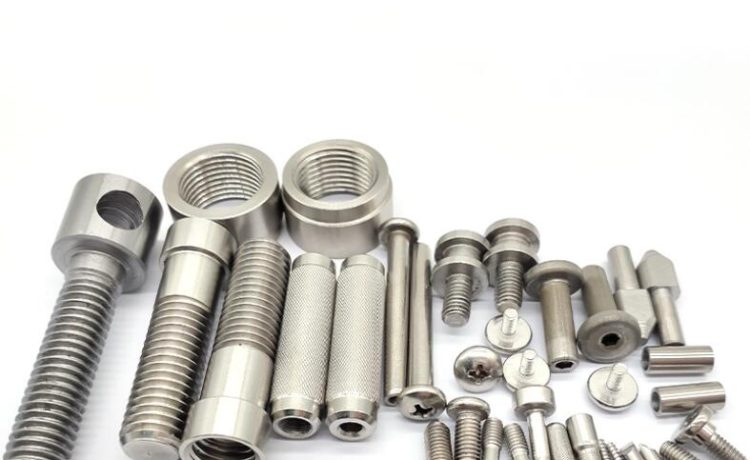
You’ve probably passed a construction site and seen a bunch of workers moving around beams, drilling into steel, or tightening parts of a building that’s still taking shape. At first glance, it just looks like big machines, concrete, and piles of materials. But the truth is, a lot of the strength in those buildings comes down to really small things—tiny parts most people never notice.
One of those small parts plays a surprisingly big role: the hex head set screw. It’s not flashy or massive, but it’s built to do something super important—hold things in place and keep them there. Without it, many structures would wobble, shift, or even fall apart.
Not Just Any Screw
There are tons of screw types out there, and each one has a job. Hex Head Set Screws stand out because of their shape and the way they’re used. The “hex head” just means the top of the screw has six flat sides, so it fits snugly with a wrench or socket. That makes it easier to tighten it really well, which is key when parts need to stay secure over time.
These screws usually don’t have a pointy tip like a wood screw does. Instead, they’re flat or sometimes have a small cone or cup at the end. That’s because they’re not designed to dig deep into a material. Their main job is to hold two pieces together by pressing hard against one of them. Think of it like a firm handshake between parts.
You can often find hex head set screws in spots where a bolt would be too big or where precise alignment is needed—especially in construction and machinery. They’re commonly used to lock pulleys onto shafts, hold steel framing steady, or secure metal parts that can’t be allowed to move even a little bit.
Why They Matter in Construction
In construction, stability is everything. Buildings, bridges, towers, and even playground equipment rely on all their parts staying exactly where they’re supposed to be. That’s where hex head set screws really shine. They add an extra layer of grip that helps parts hold tight even when things are shaking, shifting, or expanding from heat.
Let’s say there’s a steel beam being attached to a column. Welds might hold the main pieces together, but smaller elements—like braces or support plates—need to stay put, too. If those start to loosen, it can mess with the balance of the entire frame. Hex head set screws help lock those parts into place without the need for bulky bolts or extra hardware.
They’re also useful in tight spaces. Construction zones often have parts that are tricky to reach or too small for larger fasteners. Since set screws can be inserted into small holes and tightened without needing access to both sides of the connection, they make those jobs a lot easier.
Built to Handle Pressure
Even though these screws are small, they’re made to take on serious pressure. In construction, there’s constant force from weight, wind, and movement. Over time, those forces can cause joints to shift or parts to wear down.
Hex head set screws are often made from high-strength materials like stainless steel or alloy steel, so they can handle all that stress without snapping or loosening. Plus, the hex head design allows for a tighter grip than a typical Phillips or flathead screw, which means more torque can be applied when tightening.
Some set screws even have special tips—like knurled or dog-point tips—that dig in slightly or sit inside a groove. This gives extra holding power, which is great when the screw needs to resist rotation or sliding.
Real-Life Places You’ll See Them
Once you know what these screws do, you start spotting them everywhere. They’re tucked into metal railings, hiding in elevator shafts, holding together steel walkways, or even sitting inside the frame of a roof truss. In all those places, they’re doing the same job: stopping motion and locking parts into place.
In places where there are moving parts, like construction lifts or scaffolding with wheels, hex head set screws can stop a wheel from spinning when it’s not supposed to. In permanent parts of buildings—like HVAC systems or steel brackets—these screws help keep the equipment stable for years.
Even temporary structures, like stages or safety barriers, sometimes use hex head set screws because they’re easy to install and don’t take up much space.
What Happens When They Fail?
When one of these screws isn’t tightened properly—or if a weaker screw is used in its place—it can lead to problems. Parts start shifting, bolts can bend, or pieces can rub against each other until they break. In construction, even small movements can create big issues later on.
For example, if a pipe support starts sliding because a set screw came loose, the pipe might sag, crack, or pull on connections. That can cause water leaks, gas issues, or electrical failures, depending on what the pipe is carrying.
That’s why builders and engineers don’t just toss any screw into a structure. They choose parts that match the load, material, and environment—especially when dealing with heat, moisture, or vibration.
Picking the Right One
Not all hex head set screws are the same. Some are short, others long. Some have special coatings to resist rust. The right one depends on where it’s being used and what it needs to do.
Construction workers often have to match the screw to the job. Is it going into concrete? Steel? Wood? Will it face rain or extreme temperatures? Does it need to come back out later, or is it staying forever? These are the kinds of questions that go into picking something as “simple” as a screw.
Using the wrong one can cause delays, extra repairs, or even safety risks. Using the right one, though, means peace of mind—and a solid structure that’s built to last.
The Hidden Power Behind Strong Builds
Construction might seem like a game of heavy lifting, but it’s really about control—making sure every single part is placed, aligned, and secured. Hex head set screws help make that possible by locking pieces in place, even in tight spaces and under pressure.
They’re small, but their role is anything but minor. They bring strength, grip, and precision to construction jobs that depend on total stability. Whether it’s holding a beam in place or keeping a railing tight, these screws are working quietly behind the scenes to make sure everything stays right where it should.
So next time you walk by a construction site or lean on a metal railing, remember—it’s not just the big beams and bricks holding it together. It’s the little things, too.