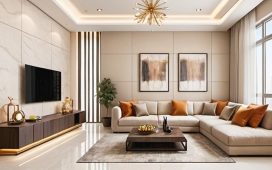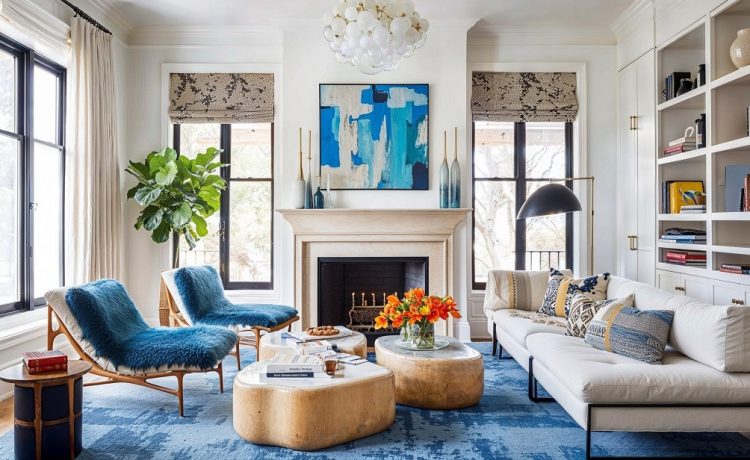
Interior design is more than arranging furniture or choosing colors—it is the thoughtful art of shaping interior spaces to enhance comfort, functionality, and visual appeal. A well-designed interior improves daily living, reflects personality, and adapts to evolving lifestyles. Whether for homes, offices, or commercial spaces, interior design blends creativity with practical planning to create environments that truly work.
Understanding the Essence of Interior Design
At its core, interior design focuses on how people experience space. Designers consider layout, lighting, textures, and materials to create balance and harmony. Every design decision, from wall color to furniture placement, contributes to how a space feels and functions.
Key elements include:
-
Space planning to optimize movement and usability
-
Color schemes that influence mood and perception
-
Lighting design for ambiance and functionality
-
Materials and textures to add depth and interest
Popular Interior Design Styles
Interior design offers a wide range of styles, each with its own character and appeal. Choosing the right one depends on lifestyle, taste, and the purpose of the space.
Modern Interior Design
Defined by clean lines and uncluttered spaces, modern interiors emphasize simplicity and efficiency. Neutral colors, open layouts, and sleek materials dominate this style.
Minimalist Interior Design
Minimalism focuses on the principle of less is more. It highlights functionality, open space, and restrained color palettes, often using natural light as a key feature.
Contemporary Interior Design
Contemporary design evolves with current trends. It blends comfort with elegance, often incorporating bold accents, layered textures, and innovative materials.
Classic and Traditional Design
This style draws inspiration from historical aesthetics. Rich colors, ornate furniture, and symmetrical layouts create a timeless and sophisticated atmosphere.
The Role of Color and Lighting
Color and lighting are fundamental to interior design because they directly affect mood and perception.
Color psychology plays a vital role:
-
Light shades make rooms feel larger and brighter
-
Dark tones add depth and intimacy
-
Warm colors evoke energy and comfort
-
Cool colors promote calmness and focus
Lighting, both natural and artificial, enhances these effects. Layered lighting—combining ambient, task, and accent lighting—ensures flexibility and visual interest.
Furniture and Layout Planning
Furniture selection is not just about aesthetics; it must support the room’s function. A balanced layout ensures comfort and smooth circulation while preventing overcrowding.
Important considerations include:
-
Proportion and scale of furniture
-
Ergonomic comfort
-
Multifunctional pieces for smaller spaces
-
Alignment with the overall design theme
Sustainable Interior Design Trends
Sustainability is shaping modern interior design. Eco-conscious choices reduce environmental impact while creating healthier living spaces.
Common sustainable practices include:
-
Using recycled or natural materials
-
Choosing energy-efficient lighting
-
Opting for low-VOC paints and finishes
-
Investing in durable, long-lasting furniture
These choices combine responsibility with style, proving that sustainability and beauty can coexist.
Why Interior Design Matters
A thoughtfully designed interior can improve productivity, reduce stress, and enhance overall well-being. It transforms ordinary spaces into environments that support daily activities while expressing individuality. Interior design is not a luxury—it is an investment in quality of life.
Frequently Asked Questions (FAQs)
What is the difference between interior design and interior decorating?
Interior design focuses on space planning, functionality, and structure, while decorating mainly involves aesthetic enhancements like furniture, colors, and accessories.
How do I choose the right interior design style for my home?
Consider your lifestyle, personal preferences, and how each room will be used. Mixing styles is also possible when done thoughtfully.
Can interior design increase property value?
Yes, well-designed interiors can enhance visual appeal and functionality, making properties more attractive to buyers or tenants.
Is professional interior design worth the investment?
Professional designers bring expertise, efficiency, and creative solutions that often save time and prevent costly mistakes.
How important is lighting in interior design?
Lighting is crucial because it affects mood, visibility, and the overall ambiance of a space.
What are the latest interior design trends?
Current trends include sustainable materials, multifunctional furniture, earthy color palettes, and biophilic design elements.
Can small spaces be designed to feel larger?
Yes, through smart layouts, light colors, mirrors, and efficient storage solutions, small spaces can feel open and spacious.